♟️ How To Play Chess: A Complete Guide for Beginners and Enthusiasts in India
Namaste, chess lovers! 🇮🇳 Whether you're a complete beginner or someone looking to sharpen your skills, this guide will walk you through everything you need to know about how to play chess — from the very first move to advanced strategies used by Indian grandmasters. Chess is not just a game; it's a tradition, a workout for the mind, and a growing passion across India.
In this comprehensive guide, we'll explore the chess board setup, piece movements, special rules, winning strategies, and the vibrant chess culture in India. You'll also find links to useful resources like the Chess Board Setup Diagram and recommendations for playing Online Chess Game platforms. Let's begin our journey into the 64 squares!
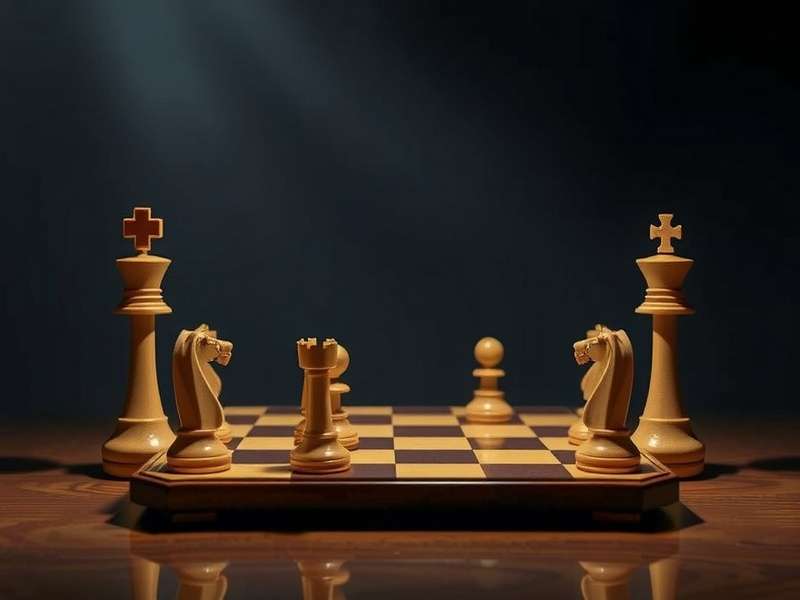
1. Understanding the Chess Board and Initial Setup 🏁
Before you can play, you need to know the chess board setup diagram like the back of your hand. The board consists of 64 squares arranged in an 8×8 grid. Each player starts with 16 pieces: one king, one queen, two rooks, two knights, two bishops, and eight pawns.
Here's the correct way to set up the board:
- Orientation: The bottom-right square must be a light-coloured square (traditionally white).
- Back rank (from left to right): Rook, Knight, Bishop, Queen, King, Bishop, Knight, Rook.
- Queen placement: The queen goes on her own colour — white queen on a white square, black queen on a black square.
- Pawns: All eight pawns are placed on the second rank in front of the major pieces.
For a visual reference, be sure to check out the detailed Chess Board Setup Diagram on our site. It shows every piece in its correct starting square, making it easy for beginners to memorise.
1.1 The Chess Pieces and Their Movements 🎯
Each piece moves in a unique way. Mastering these movements is the foundation of how to play chess. Let's break them down:
| Piece | Symbol | Movement | Capturing |
|---|---|---|---|
| King | ♔ ♚ | One square in any direction (horizontally, vertically, or diagonally). | Occupies the square of an opponent's piece. |
| Queen | ♕ ♛ | Any number of squares in any direction — the most powerful piece. | Moves to any enemy-occupied square along its path. |
| Rook | ♖ ♜ | Any number of squares horizontally or vertically. | Occupies the square of an opponent's piece. |
| Bishop | ♗ ♝ | Any number of squares diagonally — stays on the same colour. | Occupies the square of an opponent's piece. |
| Knight | ♘ ♞ | L-shaped: two squares in one direction, then one square perpendicular. | Jumps over pieces; lands on an enemy square. |
| Pawn | ♙ ♟ | One square forward (two on first move). Captures diagonally forward. | Captures one square diagonally forward. |
1.2 Special Moves You Must Know ⚡
Chess has a few special moves that can change the game in an instant. Understanding these is crucial for how to play chess effectively:
- Castling: A move involving the king and a rook. The king moves two squares towards the rook, and the rook jumps over the king. Conditions: neither piece has moved, no pieces between them, king is not in check, and king does not pass through or land on a square attacked by an enemy piece.
- En passant: A special pawn capture. If a pawn moves two squares forward and lands beside an opponent's pawn, that opponent can capture it as if it had moved only one square — but only immediately on the next turn.
- Pawn promotion: When a pawn reaches the opposite end of the board, it is promoted to any piece (usually a queen). This is why pawns are so dangerous!
2. Basic Chess Rules and Gameplay 🏆
Now that you know how the pieces move, let's dive into the full rules of the game. This section covers everything from the objective to checkmate, draws, and time controls.
2.1 The Objective: Checkmate 👑
The goal of chess is to checkmate your opponent's king — that is, to put the king under attack (in check) with no legal move to escape. When this happens, the game ends immediately. You do not actually capture the king; you simply trap it.
Key terms to remember:
- Check: The king is under attack. You must get out of check on the very next move (by moving the king, blocking the attack, or capturing the attacking piece).
- Checkmate: The king is in check and cannot escape — game over!
- Stalemate: The player whose turn it is has no legal moves but their king is not in check. The game is a draw.
2.2 How the Game Flows 🔄
A chess game typically has three phases:
- Opening (moves 1–10): Develop your pieces, control the centre, and get your king to safety.
- Middlegame (moves 11–40): Launch attacks, create threats, and outmanoeuvre your opponent.
- Endgame (moves 40+): With fewer pieces on the board, you focus on promoting pawns and delivering checkmate.
If you're just starting out, we recommend playing a few games on a trusted Online Chess Game platform to get a feel for the flow. Many platforms offer beginner-friendly modes with hints and tutorials.
2.3 Draws and How to Avoid Them 🤝
Not every game ends with a winner. Here are the most common ways a chess game can end in a draw:
- Stalemate: As mentioned above — no legal moves but not in check.
- Insufficient material: Neither player has enough pieces to deliver checkmate (e.g., king vs. king, king + bishop vs. king).
- Threefold repetition: The same position occurs three times with the same player to move.
- 50-move rule: If 50 consecutive moves are made by each side without a pawn move or capture, a draw can be claimed.
- Mutual agreement: Both players agree to a draw.
3. Essential Chess Strategies for Beginners 🧠
Knowing the rules is just the beginning. To truly enjoy how to play chess, you need a solid strategic foundation. Here are the core principles that every Indian chess enthusiast should master.
3.1 Control the Centre 🎯
The four centre squares (d4, d5, e4, e5) are the most important on the board. Controlling them gives your pieces more mobility and limits your opponent's options. Open with 1.e4 or 1.d4 — these are the most common and effective first moves.
3.2 Develop Your Pieces Quickly 🚀
Don't move the same piece twice in the opening unless necessary. Bring out your knights and bishops early, and castle to safety before launching any major attacks. A common mistake among beginners is playing too many pawn moves or bringing the queen out too early.
3.3 King Safety First 🛡️
Castling is not optional — it's essential. In most games, you should castle within the first 10 moves. This tucks your king away behind a wall of pawns and activates your rook. Remember: a safe king is a happy king!
3.4 Think Before You Capture 🤔
Every capture opens up lines and changes the pawn structure. Ask yourself: "If I capture, what does my opponent gain?" Sometimes the best move is to maintain tension and wait for a better opportunity.
3.5 Understanding Pawn Structure 🧱
Pawns are the soul of chess, as the great François-André Danican Philidor once said. In Indian chess culture, we often emphasise the importance of a solid pawn structure. Avoid creating weaknesses like isolated pawns, doubled pawns, or backward pawns unless you have a clear compensation.
For a deeper dive into strategy, check out the Chess Com Gameplay section where we analyse classic games from Indian grandmasters.
4. Advanced Tactics and Techniques 🔥
Once you've mastered the basics, it's time to add some advanced weapons to your arsenal. These tactics will help you win more games and impress your friends at the local chess club.
4.1 Forking (The Knight's Specialty) 🐴
A fork is a single move that attacks two or more enemy pieces simultaneously. Knights are masters of the fork because of their unique L-shaped movement. Look for forks that attack the king and a major piece — you'll often win material.
4.2 Pinning and Skewering 📌
A pin occurs when a piece cannot move because doing so would expose a more valuable piece behind it (like the king or queen). A skewer is the reverse — the more valuable piece is in front, and when it moves away, the piece behind is captured. Bishops and rooks are excellent for these tactics.
4.3 Discovered Attack 🎭
This is one of the most powerful tactics in chess. You move one piece to reveal an attack from another piece behind it. When the moving piece also creates a threat, it's called a discovered check — one of the deadliest weapons in the game.
4.4 The Indian Defence: Kingside and Queenside 🇮🇳
India has contributed several important openings to chess theory. The King's Indian Defence (1.d4 Nf6 2.c4 g6) is a popular and aggressive choice for Black. It allows Black to build a strong pawn centre and launch a kingside attack. Many Indian players specialise in this opening, and it's a great way to play for a win with Black.
If you're interested in exploring different openings, the Chess Set page includes recommended opening repertoires for club players.
5. Chess in India: A Growing Legacy 🇮🇳♟️
India has a rich chess history that dates back centuries. The game is believed to have originated in India as Chaturanga around the 6th century AD. Today, India is a global chess powerhouse, producing world-class grandmasters and hosting major international tournaments.
5.1 The Rise of Indian Grandmasters 🌟
Viswanathan Anand put India on the chess map when he became the first Indian grandmaster in 1988. He went on to win five World Chess Championships. Today, a new generation of Indian stars — including Gukesh D, Praggnanandhaa R, Vidit Gujrathi, and Humpy Koneru — are carrying the torch forward.
5.2 Chess in Indian Schools and Colleges 📚
Chess is now part of the curriculum in many Indian schools. States like Tamil Nadu, Maharashtra, and Gujarat have vibrant chess associations that organise inter-school tournaments. Programs like "Chess in Schools" by the All India Chess Federation (AICF) are nurturing young talent across the country.
5.3 Online Chess Communities in India 💻
With the rise of affordable internet and smartphones, millions of Indians are playing chess online. Platforms like Chess.com, Lichess, and our own Chess Online Game App have seen explosive growth in Indian users. If you haven't tried playing online yet, now is the perfect time to start!
For those who want to practise against AI, we recommend the Chess Against Computer Free feature — it's an excellent way to improve without the pressure of a live opponent.
6. Online Chess Platforms and Resources 🌐
Whether you're a casual player or a serious competitor, the digital world offers incredible opportunities to learn, play, and connect. Here are some of the best resources for Indian players.
6.1 Best Platforms for Indian Players 📱
- Chess.com: The most popular platform globally, with a huge Indian community. Use the Chess Online Log In page to access your account quickly.
- Lichess: Free and open-source, with no ads. Great for puzzles and analysis.
- PlayChessIndia: Our own platform designed specifically for Indian players, with regional language support and local tournament listings.
6.2 Tools for Improvement 🛠️
- Puzzle trainers: Solve tactical puzzles daily to improve your pattern recognition.
- Game analysis: Use engines like Stockfish to review your games and find mistakes.
- Video lessons: Follow Indian coaches like Surya Ganguly and R B Ramesh for expert guidance.
If you're looking for a quick game on the go, try the Magic Chess Go Go app — it's a fun, fast-paced way to practise your skills anytime, anywhere.
6.3 Playing Against Computer 🤖
Playing against a computer is one of the best ways to improve. You can adjust the difficulty level to match your skill, and you have unlimited time to think. Use the Chess Against Computer Free tool to get started. It's perfect for testing new openings and practising endgames.
7. Frequently Asked Questions (FAQ) ❓
7.1 What is the best first move in chess?
The most popular and effective first move is 1.e4, which controls the centre and opens lines for the queen and bishop. 1.d4 is also excellent and leads to more positional games.
7.2 How long does it take to learn chess?
You can learn the rules in 15–20 minutes, but mastering the game takes a lifetime. Most beginners can play confidently after a few practice games.
7.3 Is chess popular in India?
Absolutely! India has one of the fastest-growing chess communities in the world. With grandmasters like Gukesh and Praggnanandhaa inspiring the youth, chess is booming in schools, colleges, and online platforms.
7.4 Can I play chess for free online?
Yes! Many platforms offer free play, including our Chess Online Game App and the Chess Against Computer Free feature. You can also play unlimited games on Lichess and Chess.com with a free account.
7.5 What is the quickest way to improve at chess?
Solve tactical puzzles every day, analyse your own games, and study classic matches from grandmasters. Consistency is more important than talent.
7.6 How do I castle correctly?
Move your king two squares towards the rook, then place the rook on the square the king crossed. Make sure neither piece has moved before, there are no pieces between them, and your king is not in check or moving through check.
7.7 What is the 50-move rule?
If 50 moves are played by each side without a pawn move or a capture, either player can claim a draw. This prevents games from going on forever in dead-end positions.
8. User Reviews and Ratings ⭐
See what fellow Indian chess enthusiasts are saying about our guide and platform. Your feedback helps us improve!
9. Final Words: Your Chess Journey Starts Now 🚀
Learning how to play chess is one of the most rewarding intellectual pursuits you can undertake. Whether you play for fun, for competition, or for mental fitness, chess offers endless depth and beauty. India's chess heritage is rich and growing, and you're now part of that story.
Remember to practise regularly, study the games of great players, and most importantly — enjoy the game! Every grandmaster was once a beginner. With dedication and the right resources, you can achieve your chess goals.
Bookmark our How To Play Chess page and revisit it as you progress. We're constantly updating our content with fresh insights, exclusive interviews with Indian players, and deep dives into chess strategy.
Jai Hind! 🇮🇳♟️ Let's make every move count.
Leave a Comment