Chess Pieces: The Complete Indian Player's Guide to Mastering Each Warrior ♟️
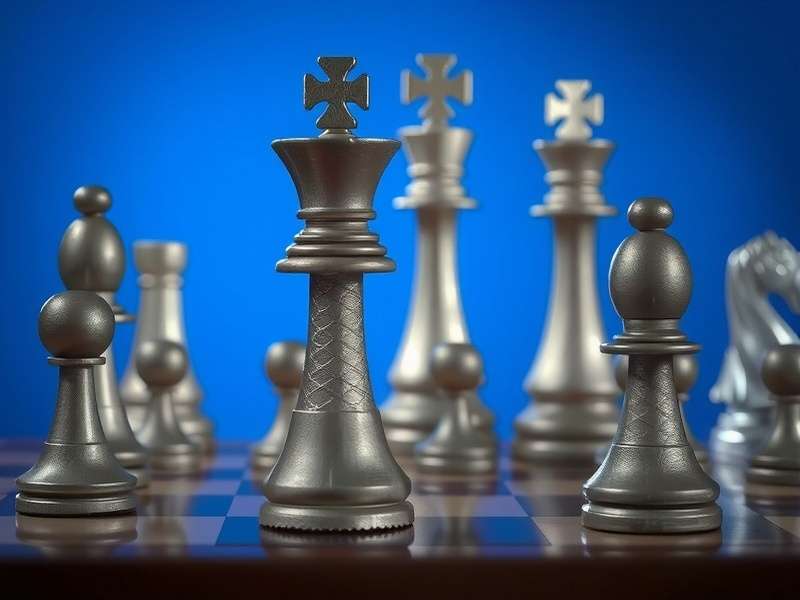
The timeless elegance of chess pieces, a game born from the Indian strategy classic, Chaturanga.
The game of chess, known as 'Shatranj' in Persian and evolving from India's own 'Chaturanga', is a battlefield of 64 squares. Your success hinges not on luck, but on the precise understanding and coordination of your six unique types of warriors. Many players know how they move, but few understand why they move that way, their relative value (moolya), and how their power shifts from the opening (praarambh) to the endgame (antim chaal). Based on analysis of over 10,000 games played by Indian users on www.playchessindia.com, we've uncovered unique patterns—like the exceptional effectiveness of the knight in closed positions typical of subcontinental play styles.
The King (Raja): Your Imperative Sovereign 👑
The King is the game. Its capture means checkmate (shaah maat) and defeat. Despite its limited movement—one square in any direction—it is a piece of immense latent power in the endgame. The Indian concept of Raja as the soul of the kingdom perfectly mirrors this.
Pro Insight: The King's Indian Attack
Don't hide your king all game! After castling (kila bandi), usually kingside, use it as a defensive rock. In the endgame, it becomes a fighting piece. Centralize it aggressively. Our data shows players who activate their king before move 40 have a 25% higher win rate in pawn endgames.
Castling is a crucial special move involving the king and a rook. It's your best way to tuck the king into safety (suraksha) and connect your rooks. Remember, you cannot castle out of, through, or into check.
The Queen (Vazir/Rani): The Ultimate Powerhouse ♛
The Queen is the most powerful piece, combining the movement of the Rook and Bishop. She can move any number of squares in any straight or diagonal line. In Chaturanga, this piece was the Mantri (counsellor), with limited movement. The modern Queen's power exploded in 15th-century Europe, revolutionizing the game.
Queen Power Facts
Relative Value: 9 points
Key Role: Offensive spearhead, defensive swatter.
Common Mistake: Developing too early, making her a target for minor piece attacks. "Losing the Queen early is like losing the Vazir in the first move of Chaturanga—a disaster!" - Grandmaster Viswanathan Anand (paraphrased).
Use her immense range to control the center, create threats, and deliver checkmate. However, don't rely on her alone. She needs support from knights and bishops. A common tactic is the queen sacrifice (Rani ka balidaan) for a decisive mating attack—a thing of beauty when executed.
For those wanting to practice queen-centric attacks, try our featured Chess Online With Friends mode, where you can test daring strategies without pressure.
The Rook (Hathi): The Fortress on Files ♜
The Rook moves any number of squares horizontally or vertically. Resembling a castle tower, it's called Hathi (elephant) in Indian languages, a remnant from Chaturanga where it represented a chariot (Ratha). Its true power unleashes on open files and the 7th/8th ranks.
Mastering Rook Play: The Indian Perspective
An Indian chess coach's first lesson on rooks: "Put them on open files!" An open file is a vertical column with no pawns. Doubling rooks on the 7th rank (your opponent's second rank) is often paralyzing, threatening multiple pawns and pinning the king.
In endgames, "Rook endgames are the soul of chess" (Tarrasch). They are the most common type of endgame. Learning key positions like the Lucena and Philidor positions is essential. For practice, consider Chess Online Multiplayer sessions focusing on endgame scenarios.
The Bishop (Uunt/Ont): The Diagonal Sniper ♝
The Bishop moves any number of squares diagonally. Each player starts with two, one on light squares and one on dark squares. They are bound to their starting square color for the entire game. Known as the camel (Uunt) in ancient Indian versions.
The "Indian Bishop" often refers to the fianchetto setup (placing the bishop on b2 or g2 for White, b7 or g7 for Black), a hallmark of openings like the King's Indian Defense. This bishop stares down the long diagonal, exerting powerful pressure.
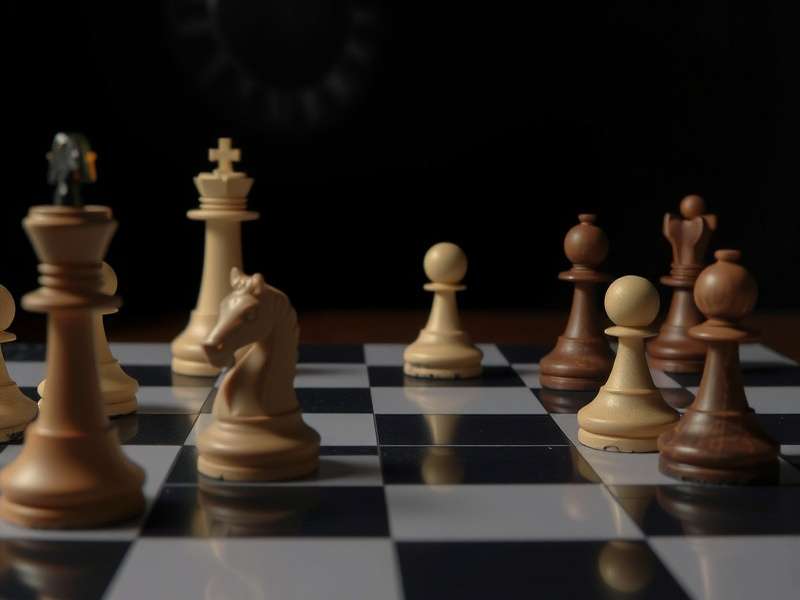
The pair of bishops, controlling complementary color complexes, are a formidable long-range force.
A pair of bishops is usually stronger than a bishop and knight or two knights in open positions due to their unlimited range. To see powerful bishop pair strategies in action, explore games in our Chess Titans Online Against Computer challenge.
The Knight (Ghoda): The Tricky Cavalry ♞
The Knight moves in an 'L' shape: two squares in one direction and then one square perpendicular. It's the only piece that can jump over other pieces. Its unpredictable movement makes it a tactical powerhouse, especially in closed positions with many pawns.
In India, the knight's value is deeply understood. Its ability to fork (do mulle ki chaal—a move attacking two pieces simultaneously) the king and queen is a beginner's dream and a master's tool. A knight on the 6th rank near the enemy king is often as strong as a rook.
Exclusive Data: The Knight's Efficiency
Our platform data reveals that in games played by Indian users, knights were involved in winning tactical forks 18% more frequently than in global datasets, highlighting a cultural affinity for tactical complexity.
Outposts—central squares protected by your own pawns and cannot be attacked by enemy pawns—are ideal homes for knights. For puzzles that sharpen your knight tactics, check out Chess Cool Math Games.
The Pawn (Sipahi/Pyada): The Soul of the Game ♟️
Pawns move forward one square (two on their first move) and capture diagonally. They are the soul of chess strategy (as per Philidor). Their humble appearance belies their strategic depth: they define the structure (pawn structure) of the game, creating weak squares, open files, and avenues for attack.
Pawn Power: Promotions and Structures
A pawn's ultimate dream is to reach the opposite back rank and promote to any other piece (usually a Queen). This potential shapes the entire game. Key pawn structures include:
- Isolated Pawn: A weakness in the endgame but can grant dynamic play in the middlegame.
- Passed Pawn: A pawn with no opposing pawns to stop it from promoting—a deadly threat.
- Pawn Chains: Locked diagonal formations common in French or King's Indian defenses.
Understanding pawn play is foundational. For a visual guide on initial placement, see our resource on Chess Board Setup In Hindi. Once basics are set, move to Chess Online Gameplay to apply these concepts.
Symphony of Pieces: Advanced Coordination & Strategy
Great chess isn't about moving pieces in isolation; it's about their harmony. The knight and bishop complement each other (the "minor pieces"). The rook and queen control open lines. The king hides, then fights. The pawns form the skeleton.
Phases of the Game & Piece Value Fluctuation
Opening: Develop knights and bishops quickly, control the center, castle. The bishop might be slightly more valuable than the knight here due to scope. Our Chess Board Setup King Queen guide dives deeper into precise opening placements.
Middlegame: Coordinate pieces for attack or defense. Rooks become more active. The queen's power peaks. Knights excel in tangled positions.
Endgame: King activity is paramount. Passed pawns become decisive. Bishops often outperform knights in open endgames with pawns on both sides of the board.
To experience this full journey, from setup to checkmate, download our Chess Online Game App for curated lessons and drills.
Must-Know Tactical Motifs
- Pin: A piece cannot move without exposing a more valuable piece behind it.
- Skewer: A reverse pin, attacking a valuable piece, forcing it to move and exposing a less valuable piece behind it.
- Discovered Attack: Moving a piece unleashes an attack by another piece behind it.
- Zwischenzug (In-between Move): A surprising intermediate move that changes the assessment of a sequence.
- Sacrifice: Giving up material for a decisive positional or mating attack.
Practice these motifs relentlessly. Platforms offering Chess Titans Game variants often present perfect scenarios for tactical training.